How Monument, CO Cafes Turn Routine into Ritual
There is a difference between grabbing coffee and belonging to a place. Anyone who has spent time in a good local cafe knows it. The drink matters, of course. So does the pastry case, the lighting, the playlist, the speed of service on a rushed Tuesday. But what keeps people returning is usually something less visible and more durable. It is the way an ordinary stop folds itself into a life.
That is especially true in a town like Monument, Colorado, where patterns of daily life are shaped by altitude, weather, commuting habits, school schedules, and a strong preference for places that feel personal rather than generic. A cafe in Monument is not just competing on espresso extraction or the size of its breakfast burrito. It is competing on whether it can become part of someone’s rhythm without feeling transactional.
Routine is practical. Ritual is meaningful. The best cafes understand how to move customers from one into the other, often through small decisions that look minor from the outside. Over time, those decisions create loyalty that no promotion can buy.
The difference between a stop and a ritual
A routine is efficient. You pull in, order quickly, collect caffeine, and move on. It serves a need. There is nothing wrong with that. In fact, many weekday coffee purchases are exactly that, and they should be. People heading south on I-25 toward Colorado Springs or squeezing in a break between school drop-off and meetings often want competence more than charm.
A ritual does something extra. It marks time. It creates a sense of place. It offers a small reset before the day starts pulling hard in three directions at once. That shift does not always require more time. Sometimes it takes only a familiar greeting, a seat by the window that catches the morning light just right, or a barista who remembers that a customer likes an extra-hot latte but never wants it scalded.
In Monument, that difference carries weight because the town sits in an interesting middle ground. It is not isolated, yet it still values local familiarity. It is growing, but it has not given itself over completely to anonymous convenience. Residents often have choices. They can drive to chain options. They can make coffee at home. If they return to a specific local spot, that choice usually reflects more than habit.
Why Monument creates a particular kind of cafe culture
Small-town cafe culture looks simple from the outside. In practice, it is one of the harder hospitality environments to get right. Customers expect quality, but they also expect consistency. They want warmth without performance. They notice when a place changes hands, changes roast profiles, raises prices, or shifts its hours. They are paying attention because local places matter differently in towns where word travels fast and regulars overlap across school events, church groups, running clubs, and local businesses.
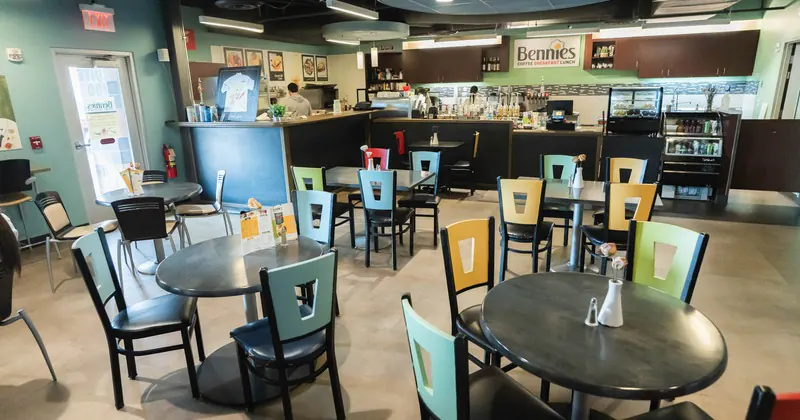
Monument adds another layer because its geography influences behavior. Mornings can be cold and bright. Snow changes foot traffic and parking patterns. Summer draws families and visitors who linger longer. Remote workers may fill seats midmorning, while commuters create a narrow but intense rush window. That means a Cafe Cafe Monument, CO Monument, CO business has Cafe Monument, CO Bennies Cafe to serve multiple identities at once. It may be a pit stop at 6:45 a.m., a meeting place at 10:00, a quiet work perch at 1:30, and a family regrouping point after school.
That kind of all-day identity cannot rest on branding alone. It depends on operational discipline. The shops that endure usually understand this. They know how to make a place feel easy to enter, easy to stay in, and worth returning to when life gets busy.
Hospitality is built in seconds, not slogans
Some owners spend too much time talking about community while underinvesting in the mechanics that actually create it. Customers rarely experience a mission statement. They experience friction or ease.
The first thirty seconds in a cafe tell people whether they can relax. Is the line readable? Can they tell where to order and where to wait? Are they acknowledged, even when the staff is slammed? Is there enough room to stand without feeling in the way? Does the case look fresh at 9:15, not just at opening? These are not glamorous questions, yet they often decide whether a first-time visitor becomes a regular.
This is where many strong local cafes quietly outperform chains. A chain can standardize process with remarkable precision. What it often cannot replicate is contextual judgment. A skilled barista in a local Monument cafe knows when a commuter needs speed, when a retiree wants conversation, and when a parent with two restless kids needs patience more than upselling. That discernment turns service into hospitality.
The best staff do something subtle. They help customers feel known without making them feel managed. It is a fine line. Too little engagement feels cold. Too much feels forced. The sweet spot is personal and light. “The usual?” works only after a relationship has earned it. Used too early, it sounds like a script.
The room itself teaches people how to behave
Layout is one of the most overlooked tools in cafe culture. A room can invite ritual or sabotage it.
A well-designed cafe gives people multiple ways to belong. There is a quick lane for people in a hurry, a comfortable area for those who want to stay, and at least a few seats that feel suitable for solo customers. That matters more than many owners think. Some cafes accidentally design every seat for pairs and every table for laptop campers, then wonder why the atmosphere feels off. People read a room instantly. If the setup feels mismatched to their purpose, they leave faster and return less often.
In Monument, physical comfort matters because people actually want to linger when a place feels warm, calm, and grounded. Natural materials, practical winter entry flow, a realistic amount of sunlight control, and acoustics that do not turn every conversation into a competing broadcast all matter. At high altitude, dry air and big temperature swings can make interiors feel harsh if they are not carefully managed. A cafe that feels cozy in January and breathable in July has a real advantage.
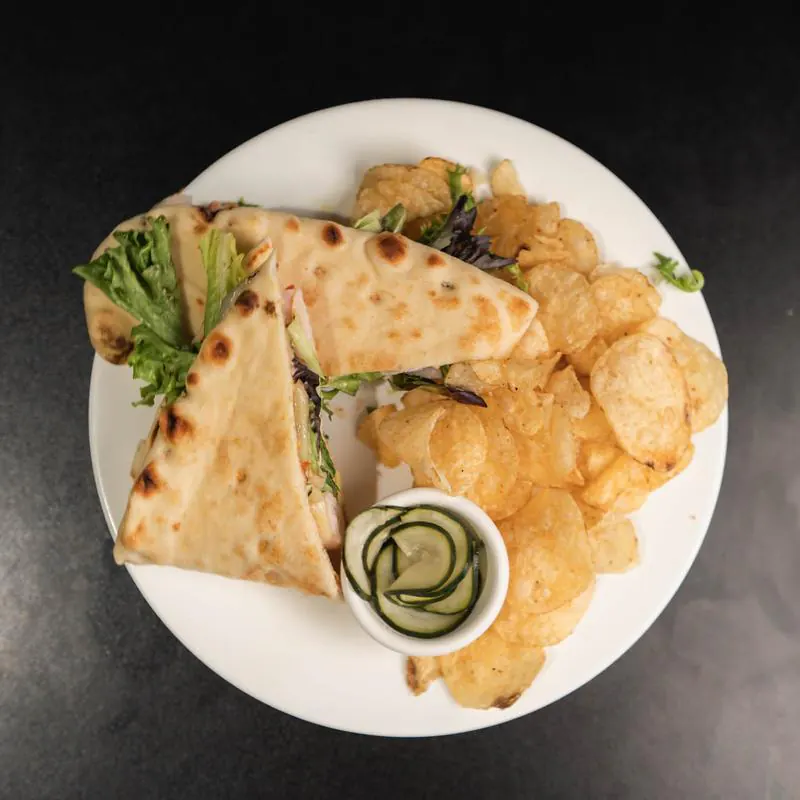
Smell also plays a larger role than operators sometimes admit. Fresh coffee, warm pastry, and even the faint scent of toasted bread can create a sense of abundance. By contrast, cleaning chemicals, burnt espresso, or stale fryer notes are hard to overcome. People may not name those things directly, but they absorb them.
Ritual begins with repetition, then deepens through recognition
Customers do not decide in one visit that a cafe matters to them. The relationship builds through repetition. The first return visit is often about convenience. The fifth is usually about trust. Somewhere after that, routine starts acquiring emotional weight.
The mechanics of that transformation are straightforward, even if the effect feels intangible.
- Consistency tells customers they can count on the place.
- Recognition tells them they are more than a ticket number.
- Seasonal variation keeps the experience from feeling stale.
- Small moments of generosity create memory.
- Reliability in hard moments, such as bad weather or a rushed morning, earns real loyalty.
None of those factors is dramatic on its own. Together, they become the architecture of ritual.
Take consistency. People often frame consistency as a product issue, and it is. A cappuccino should not taste balanced on Monday and bitter on Thursday. But consistency also applies to mood. If the staff energy swings wildly depending on who is on shift, customers notice. If the music is serene one day and jarring the next, they notice that too. Ritual depends on predictability, though not monotony.
Recognition matters even more. A regular does not need a parade. In fact, most do not want one. What they want is subtle proof that their presence registers. A remembered order. A nod when they walk in. A “good luck at the tournament this weekend” mentioned after a previous conversation. These gestures seem small because they are small. That is the point. They fit naturally into the scale of everyday life.
Coffee quality still matters, perhaps more than people admit
There is a sentimental temptation to overstate the role of atmosphere and understate the product itself. A cozy room cannot save bad coffee for long. It may buy patience, but not loyalty.
In a market like Monument, quality does not always mean the most experimental roast or the trendiest menu. Often it means clarity, balance, and careful execution. People want drinks that taste intentional. They want brewed coffee that is fresh and hot without tasting scorched. They want milk textured properly, not full of giant bubbles or overheated into sweetness. They want tea served with the same respect as espresso. They want food that supports the visit rather than feeling like an afterthought.
A local cafe does not need an encyclopedic menu to win. In fact, too many options often slow service and dilute standards. A tighter menu, done well, usually performs better. That is especially true during a heavy morning rush, when customers judge quality and efficiency at the same time. If a place can serve a well-made drink quickly without making the interaction feel rushed, it earns credibility.
There is also a practical reality here. Monument residents are not all looking for the same thing. Some want dark roast and familiarity. Others want single-origin pour-over and clear tasting notes. A smart cafe reads its audience without flattening its identity. It can be approachable without being dull. It can be quality-driven without becoming precious.
Weather, altitude, and timing shape the experience
Colorado changes how people use cafes. Weather can turn a coffee stop into shelter. Snowy mornings often create a different mood from dry summer weekends. You see more layered clothing, more families bunching near the door, more customers staying a few extra minutes before heading back out. The staff who handle those transitions smoothly understand that hospitality is partly logistical.
Altitude affects product too. Water boils at a lower temperature, which influences brewing variables. Baking behaves differently. Even customer cravings can shift with the season. Warmer, richer drinks often surge when the air turns sharp, while lighter iced options and quick cold brews dominate in hotter months. These are not mysteries, but they require attention.
Timing may be the most decisive factor of all. A cafe can make a lovely drink, but if it cannot survive the peak rush window, it will struggle to become indispensable. People build rituals around places that respect their time. That means the handoff process, staffing levels, mobile order flow if offered, and the simple ability to keep the pastry case stocked through late morning all matter.
One common mistake is designing for the ideal customer instead of the real one. The ideal customer lingers, orders a second drink, and posts a nice photo. The real customer often has eight minutes, one glove half on, and a child asking for a muffin while searching for a lost homework folder. If the cafe can serve that person well, it is doing something meaningful.
The regulars are not all the same
When people talk about regulars, they often picture one type of customer, usually the morning commuter whose order is memorized by heart. In reality, local cafe loyalty shows up in several distinct forms, and each has different needs.
The commuter regular values speed, parking, and flawless repetition. The social regular wants a place to meet where conversation can happen without shouting. The solo regular may come for quiet, a reading chair, or the comfort of being alone in public. The family regular is looking for tolerance, flexibility, and enough menu options to satisfy different ages without turning the outing into a negotiation.
A cafe that serves only one type well can survive. A cafe that serves several types thoughtfully becomes woven into the town. That does not mean trying to be everything. It means understanding dayparts, setting realistic expectations, and letting the room flex.
I have seen local cafes lose momentum when they lean too hard into one identity. A place that becomes too laptop-centric can alienate quick-turn customers who feel there is nowhere to sit. A place that chases volume at all costs can lose the warmth that drew in loyal locals to begin with. Balance requires active management, not hope.
Price is part of the ritual, whether owners like it or not
Price sensitivity is a delicate topic in coffee because both customers and operators can become defensive. Owners know their costs have risen, often sharply. Customers know their weekly cafe habit adds up fast. Both are right.
Ritual survives price increases only when customers still feel the exchange is fair. Fairness is not just about the total on the receipt. It is about whether the entire experience still feels worth it. If portions shrink, service slows, and product quality drifts while prices climb, people notice immediately. If prices rise but quality remains strong and service stays thoughtful, many regulars adapt.
Local cafes in Monument face a real challenge here. They are competing not only with chains, but with well-equipped home kitchens. Many residents can make decent coffee at home for far less money per cup. So the cafe must offer something home cannot fully replace. That usually includes one or more of the following: superior product, social connection, dependable atmosphere, or the simple pleasure of being served well.
Operators who communicate changes with honesty tend to fare better than those who pretend nothing happened. Customers do not need a lecture on commodity markets, but they do appreciate transparency. A few plainspoken words about sourcing, labor, or maintaining quality can go a long way, especially in a town where regulars often feel invested in keeping local businesses healthy.
Small traditions anchor a cafe in memory
One reason local cafes become beloved is that they create repeatable moments tied to season, place, and mood. These do not have to be flashy. In fact, quieter traditions often last longer.
Maybe it is a cinnamon roll that appears only on weekends and reliably sells out by midmorning. Maybe it is a winter drink that returns every year without gimmicky naming. Maybe it is the way the staff decorates modestly for the holidays, or the way the first sunny patio days in spring bring back a whole layer of community that disappeared during cold months.
These habits matter because they help customers orient themselves in time. Ritual is not only about where you go, but when and why. The first hot drink after an early snowfall, the standing Thursday meeting with a colleague, the Saturday pastry run before soccer, the quiet hour after a difficult appointment, these become personal markers. The cafe does not create life’s meaning on its own, but it gives those moments a reliable setting.
That is a deeper role than many businesses ever reach.
What a strong Cafe Monument, CO business gets right
When a Cafe Monument, CO location becomes part of local life, it usually succeeds through accumulation rather than spectacle. It does many ordinary things unusually well, then repeats them until trust forms around them.
A strong operation tends to get four judgments right. First, it knows what kind of experience it can realistically deliver and does not overpromise. Second, it trains staff to read context, not just recipes. Third, it protects quality during busy periods instead of saving its best self for slow afternoons. Fourth, it understands that atmosphere is made from dozens of operational choices, not just decor.
There is experience behind that last point. A beautifully designed cafe can still feel stressful if the pickup area blocks the entrance, the espresso machine screams nonstop, the Wi-Fi is unreliable, and every table wobbles. Meanwhile, a visually modest shop can feel wonderful if the workflow is clean, the sound is controlled, the staff is steady, and the coffee arrives exactly as expected. Customers often describe the second place as having “good energy” when what they really mean is that the place has been competently, thoughtfully run.
The trade-offs are real
It is easy to romanticize local cafe life. The reality is more complicated. Turning routine into ritual comes with tension.
Longer conversations build warmth, but too much chatter can slow the line. Encouraging people to stay creates atmosphere, but occupied tables can crowd out new arrivals. Seasonal menu changes keep things interesting, but too much experimentation can erode consistency. A highly personalized culture feels special, but it becomes fragile if it depends too much on one charismatic owner or one beloved employee.
The best cafes accept these trade-offs instead of denying them. They set boundaries where needed. They adjust seating. They train backups. They trim menus that have become unwieldy. They preserve the feeling of ease by doing a lot of unseen work behind the scenes.
That hidden labor is worth mentioning because customers tend to notice only its absence. A ritual feels effortless from the outside precisely because someone has worked hard to make it so.
Why these places matter more than the transaction
People do not build emotional ties to every business they frequent. They do with cafes because cafes operate at the scale of ordinary life. They host moments that are too small for ceremony yet too important to dismiss. A pre-interview coffee. A parent’s first quiet half hour of the day. A catch-up after bad news. A standing meeting that slowly turns into friendship. A warm cup carried out into a cold Monument morning.
That is where routine becomes ritual. Not through grand design, but through repetition with care.
The strongest Monument cafes understand their role well. They are not trying to stage a lifestyle fantasy. They are making a dependable place where the town can pass through, pause, and return. They serve coffee, yes, but also familiarity, pacing, and recognition. In a culture that often rewards speed over presence, that is no small service.
When a local cafe gets it right, people do not describe the experience in technical terms. They say, “I always go there.” Or, “They know my order.” Or, “It just feels good in there.” Simple statements, but revealing ones.
That is the language of ritual. And in Monument, it is what turns a cup of coffee into part of a life.
Bennies Cafe
17230 Jackson Creek Pkwy Ste 100, Monument, CO 80132
+1 719-445-0660
FAQ About Cafe Monument, CO
What is considered a café?
A café is generally an informal place to enjoy refreshments and a meal. Bennies Cafe in Monument serves breakfast and lunch in a counter-service setting, with options including eggs Benedict, sandwiches and crepes. Guests can eat in or arrange pickup.
What is the difference between a coffee shop and a café?
The terms often overlap. A coffee shop usually emphasizes coffee and other drinks, while a café may offer a broader food menu. Check the individual establishment's menu rather than relying on its name. Bennies Cafe offers coffee drinks alongside breakfast and lunch dishes.
What is the difference between café and coffee?
In everyday English, a café is a place where people buy food and drinks, while coffee is the beverage. The word café comes from the French word for coffee. Bennies Cafe serves options such as brewed coffee, espresso and lattes as part of its drinks menu.